
FAQ: Computer Vision Syndrome in Butler, PA
At Stirling Eyecare Center in Butler, PA, we help patients understand and manage computer vision syndrome caused by prolonged use of computers, phones, tablets, and other digital devices. With the right evaluation and personalized eye care, many symptoms of digital eye strain can be effectively addressed. Below are frequently asked questions on computer vision syndrome.
1. What is computer vision syndrome?
Computer vision syndrome is a group of eye and vision symptoms associated with prolonged digital device use. Symptoms can include eye strain, blurry vision, headaches, dryness, and difficulty focusing after spending extended periods in front of a screen.
2. What causes computer vision syndrome?
Computer vision syndrome is commonly caused by extended screen time combined with factors such as glare, poor lighting, improper viewing distance, reduced blinking, or an uncorrected vision problem. Several of these factors can occur at the same time and increase discomfort.
3. What are the most common signs of computer vision syndrome?
Patients with computer vision syndrome often experience tired or sore eyes, headaches, blurry vision, dry or irritated eyes, and trouble shifting focus between near and distant objects. Neck and shoulder discomfort may also occur because of poor screen positioning or posture.
4. Can computer vision syndrome cause headaches?
Yes. Computer vision syndrome can contribute to headaches, especially after long periods of close-up screen work. Eye focusing problems, glare, an outdated prescription, or excessive visual effort can all make screen-related headaches more likely.
5. Can computer vision syndrome cause blurry vision?
Yes. Blurry vision is a common symptom of computer vision syndrome among patients. It may occur while looking at a screen, when looking away from the screen, or after several hours of digital device use. A comprehensive eye exam in Butler, PA can determine whether digital eye strain or another vision issue is responsible.
6. Why do my eyes feel dry after using a computer?
People tend to blink less frequently and less completely while concentrating on digital screens. This can allow tears to evaporate more quickly and contribute to dry, burning, gritty, or irritated eyes. Dry eye and computer vision syndrome can also occur together.
7. How is computer vision syndrome diagnosed in Butler, PA?
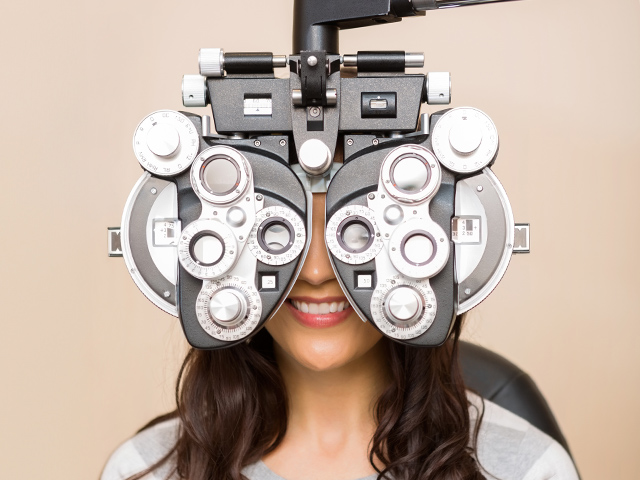
At Stirling Eyecare Center in Butler, PA, evaluating computer vision syndrome starts with understanding your symptoms, screen habits, and visual demands. A comprehensive eye evaluation can identify refractive errors, focusing difficulties, dry eye, or other factors that may be contributing to your discomfort.
8. Can an outdated glasses prescription make computer vision syndrome worse?
Yes. Even a small change in your prescription can increase the effort required to focus on a computer screen. Patients who develop new headaches, squinting, blurry vision, or eye fatigue during screen use should have their prescription and overall eye health evaluated.
9. Can glasses help with computer vision syndrome?
The right eyewear can reduce visual strain for many patients with computer vision syndrome. Depending on your prescription and working distance, we may recommend lenses designed to provide clearer, more comfortable vision for computer and other near-range tasks.
10. Does the 20-20-20 rule help computer vision syndrome?
The 20-20-20 rule can help reduce sustained focusing strain for patients who spend long hours using screens. About every 20 minutes, look at something approximately 20 feet away for at least 20 seconds. Regular visual breaks give your focusing system an opportunity to relax.
11. How can I reduce computer vision syndrome while working?
Patients can reduce computer vision syndrome by taking regular screen breaks, positioning the monitor at a comfortable distance, reducing glare, adjusting screen brightness, blinking more often, and using an accurate vision prescription. Your specific setup and visual needs should guide the changes you make.
12. Can children develop computer vision syndrome?
Yes. Children can develop computer vision syndrome from extended use of computers, tablets, smartphones, and other digital devices. Complaints of headaches, tired eyes, blurry vision, frequent eye rubbing, or avoiding screen-based schoolwork should be evaluated by an eye doctor.
13. Is computer vision syndrome permanent for patients?
Computer vision syndrome is generally related to ongoing visual demands rather than permanent eye damage. Identifying the factors causing the strain and making appropriate changes to screen habits, eyewear, or eye care can significantly improve symptoms.
14. When should I see an eye doctor for computer vision syndrome in Butler, PA?
If screen-related eye strain, headaches, dryness, or blurry vision continue despite taking breaks and adjusting your workspace, schedule an eye exam with our eye doctors in Butler, PA. Persistent symptoms should be evaluated to rule out an uncorrected prescription, dry eye, focusing difficulty, or another eye condition.
15. Why choose Stirling Eyecare Center for computer vision syndrome in Butler, PA?
At Stirling Eyecare Center, we provide personalized eye care for patients experiencing computer vision syndrome in Butler, PA. We evaluate your vision, eye health, symptoms, and daily screen demands so we can identify contributing factors and recommend practical solutions designed around how you use your eyes.
If computer vision syndrome is making work, school, or everyday screen use uncomfortable, contact Stirling Eyecare Center in Butler, PA at (724) 285-2618 to schedule an eye evaluation and find the right approach for clearer, more comfortable vision.
Helpful Articles
article_category: products
article_category: psychiatry
article_category: faqs
article_category: cats
article_category: general
article_category: services
article_category: technology
article_category: dogs
article_category: restorative
article_category: vision therapy
article_category: contact lenses
article_category: health
article_category: conditions
article_category: eye surgery co-management
article_category: exotic
article_category: cosmetic
article_category: surgical procedures
article_category: aesthetics
article_category: preventative
article_category: ocular disease management
article_category: eyeglasses
article_category: eye health
article_category: large animal
[]
Flowbite is an open-source library of interactive components built on top of Tailwind CSS including buttons, dropdowns, modals, navbars, and more.
Check out this guide to learn how to get started and start developing websites even faster with components on top of Tailwind CSS.
All Eye Care Services
Find personalized eye care excellence with our comprehensive services. From eye exams to advanced diagnostics, trust us for all your vision needs.

Keep In Touch
For non-urgent questions or to learn more about our services, contact us today!
© 2026 Stirling Eyecare Center. All rights Reserved - Accessibility Statement - Privacy Policy - Sitemap
Managed and Designed by 