
How Hormonal Changes Affect Dry Eye Symptoms in Women
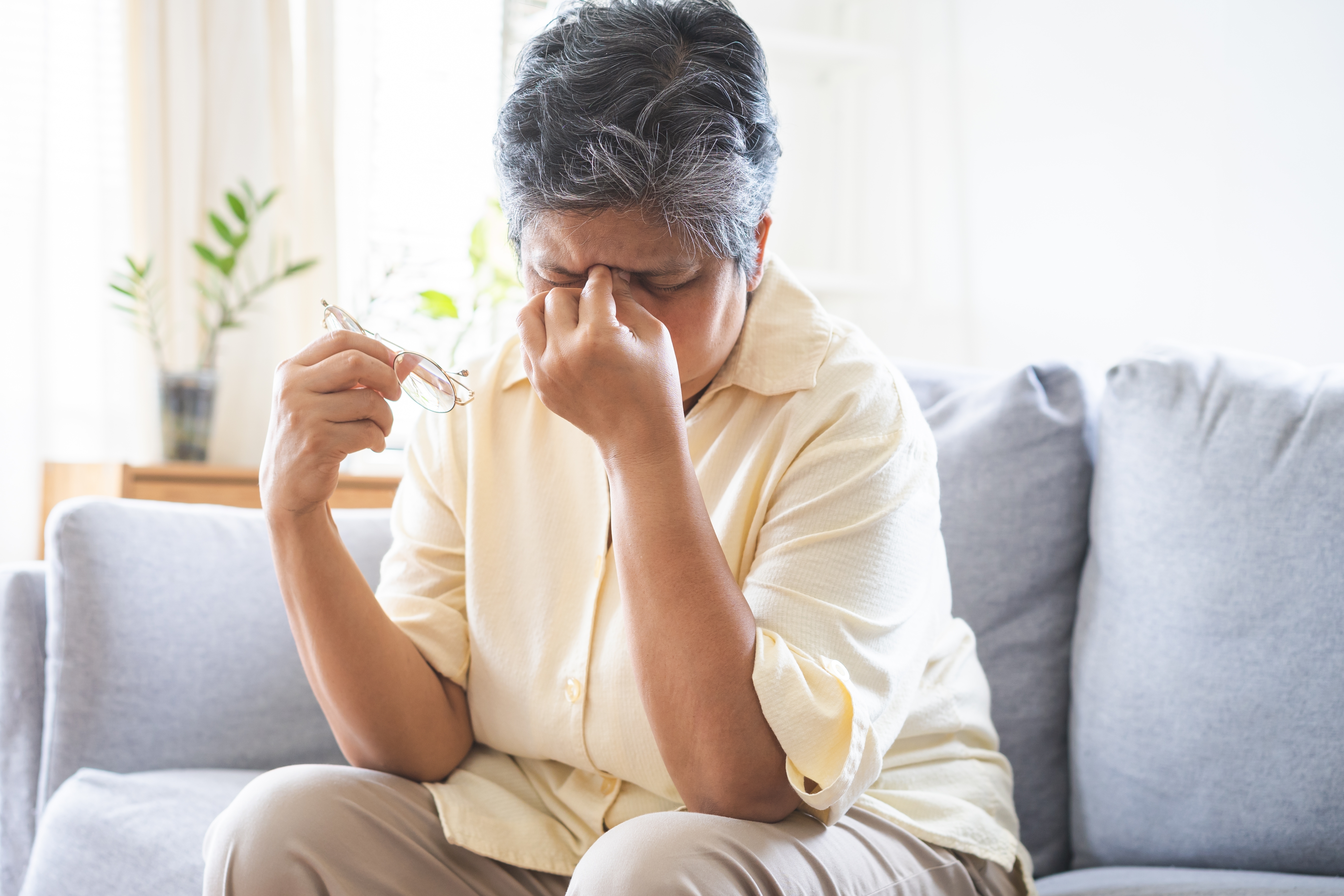
Hormonal changes can affect many parts of the body, including the eyes. For many women, dry eye symptoms may become more noticeable during pregnancy, perimenopause, menopause, or while using certain hormonal medications. At Stirling Eyecare Center, we help patients understand what may be contributing to dryness, irritation, and fluctuating vision so they can find relief that fits their needs.
Why Hormones Can Affect Tear Quality
Healthy tears need the right balance of water, oil, and mucus to keep the eyes comfortable. Hormonal shifts can affect the glands that produce the oily layer of the tear film. When this layer is not stable, tears may evaporate too quickly, leading to dry eye symptoms.
This is one reason some women notice more burning, watering, redness, or light sensitivity during major hormonal changes. Even if the eyes are producing tears, the tear film may not stay smooth long enough to protect the surface of the eye.
Dry Eye During Pregnancy
Pregnancy can bring temporary changes to vision and eye comfort. Some women experience dryness, irritation, or contact lens discomfort due to hormonal changes and fluid shifts in the body.
If dry eye symptoms appear during pregnancy, it is important to avoid guessing which drops or treatments are appropriate. An eye exam in Butler can help determine what is causing the discomfort and which options may be safe to consider.
Perimenopause and Menopause
Dry eye symptoms are especially common during perimenopause and menopause. As hormone levels change, the eyes may become more sensitive to environmental triggers such as wind, screen use, dry indoor air, or long hours of reading.
Women in Butler may notice symptoms such as:
- Burning, stinging, or gritty eyes
- Blurry vision that comes and goes
- Watery eyes caused by irritation
- Redness or eye fatigue
- Trouble wearing contact lenses comfortably
These symptoms can affect work, driving, reading, and daily comfort, which is why a proper dry eye evaluation can make a meaningful difference.
Hormonal Medications and Dry Eye
Certain medications that affect hormone levels may also contribute to dry eye symptoms in some women. This can include birth control, hormone therapy, or other medications that influence tear production or tear stability.
Not every patient reacts the same way. At Stirling Eyecare Center, we take time to review your symptoms, lifestyle, eye health, and medical history so we can better understand what may be affecting your tear film.
When to Schedule a Dry Eye Evaluation
Occasional dryness may improve with simple changes, but ongoing symptoms should not be ignored. If your eyes feel dry, irritated, watery, or tired on a regular basis, a dry eye evaluation can help identify the root cause.
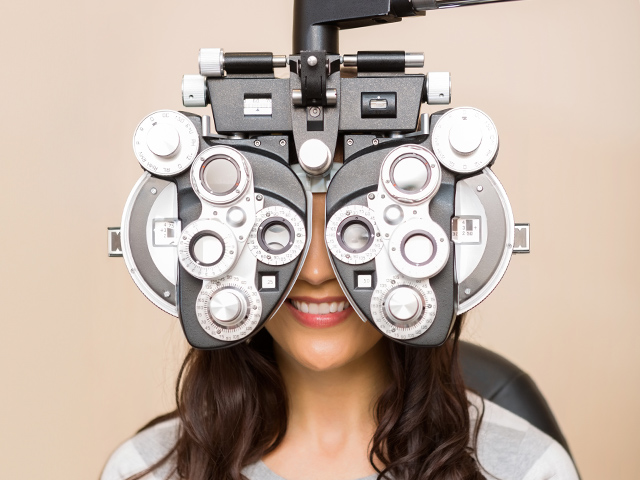
During an eye exam, we can look for signs of tear film instability, inflammation, and gland function issues. This helps guide treatment more accurately instead of relying on short-term relief alone.
Finding Relief for Dry Eye In Butler
Dry eye treatment should be personalized. Depending on your symptoms and exam findings, care may include lifestyle adjustments, artificial tears, prescription options, eyelid hygiene, or in-office treatments designed to support healthier tear function. For women experiencing hormone-related dry eye, the goal is to improve comfort, protect the eye surface, and make daily tasks easier.
If hormonal changes are making your eyes feel dry, irritated, or uncomfortable, Stirling Eyecare Center is here to help explore your options. Visit our office in Butler, Pennsylvania, or call (724)-285-2618 to book an appointment today.
Helpful Articles
article_category: products
article_category: psychiatry
article_category: faqs
article_category: cats
article_category: general
article_category: services
article_category: technology
article_category: dogs
article_category: restorative
article_category: vision therapy
article_category: contact lenses
article_category: health
article_category: conditions
article_category: eye surgery co-management
article_category: exotic
article_category: cosmetic
article_category: surgical procedures
article_category: aesthetics
article_category: preventative
article_category: ocular disease management
article_category: eyeglasses
article_category: eye health
article_category: large animal
[]
article_category: psychiatry
article_category: faqs
article_category: cats
article_category: general
article_category: services
article_category: technology
article_category: dogs
article_category: restorative
article_category: vision therapy
article_category: contact lenses
article_category: health
article_category: conditions
article_category: eye surgery co-management
article_category: exotic
article_category: cosmetic
article_category: surgical procedures
article_category: aesthetics
article_category: preventative
article_category: ocular disease management
article_category: eyeglasses
article_category: eye health
article_category: large animal
[]
Flowbite is an open-source library of interactive components built on top of Tailwind CSS including buttons, dropdowns, modals, navbars, and more.
Check out this guide to learn how to get started and start developing websites even faster with components on top of Tailwind CSS.
All Eye Care Services
Find personalized eye care excellence with our comprehensive services. From eye exams to advanced diagnostics, trust us for all your vision needs.

Keep In Touch
For non-urgent questions or to learn more about our services, contact us today!
© 2026 Stirling Eyecare Center. All rights Reserved - Accessibility Statement - Privacy Policy - Sitemap
Managed and Designed by 